Jack sewing article
Jack Sewing Machine Buyer FAQ: Juki vs Jack, Yarn Embroidery, Needle Plates, and Rush Delivery
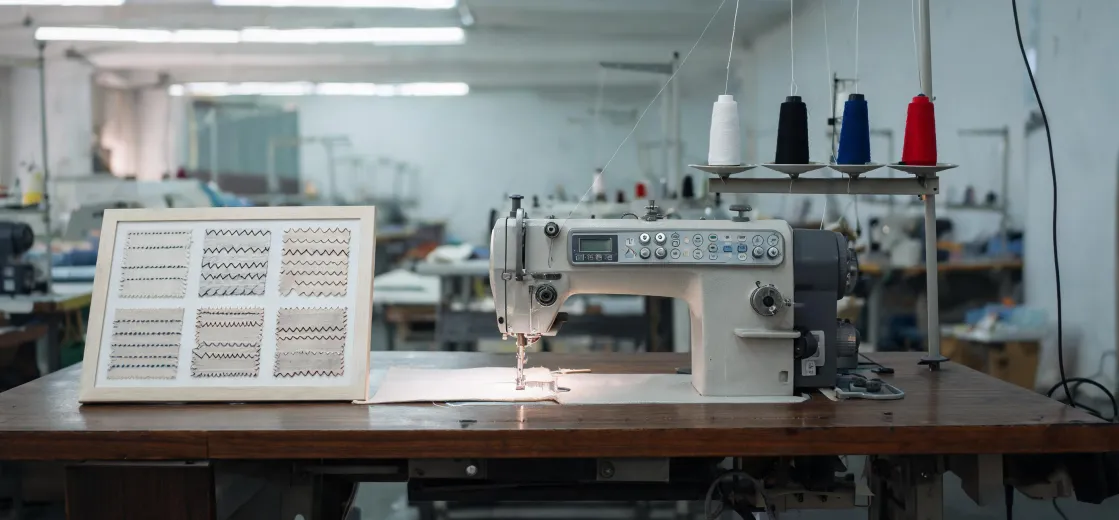
-
Is Jack Sewing a real brand? What's the Jack Sewing Machine official website?
-
Juki Jack sewing machine: which one should I buy?
-
What is a yarn embroidery machine?
-
Electric sewing machine vs industrial: what's the difference? And is “elecktrick” a real search?
-
Why does the industrial sewing machine needles plate matter?
-
Should I pay extra for rush delivery when buying sewing equipment?
-
How do I get Jack Sewing machine parts without getting burned?
When I'm sourcing sewing machines for a production line, the same questions keep showing up in my inbox. “Is Jack as good as Juki?” “Why do I need a different needle plate?” “Should I pay for rush delivery?” Here are seven I've answered as the person responsible for keeping a factory running without blowing the budget.
Is Jack Sewing a real brand? What's the Jack Sewing Machine official website?
Yes, Jack is a real industrial sewing machine and embroidery machine manufacturer. You'll often see the brand written as Jack-Sewing on reseller sites, which makes the search for the Jack Sewing Machine official website messier than it should be. My advice: don't click the first sponsored result. Find the manufacturer's corporate site and use their distributor list. A legitimate supplier can explain how to register the warranty with the factory. If they can't do that, you're probably dealing with a reseller who won't help after the sale. When you're spending several thousand dollars on equipment, that verification step isn't red tape—it's protection.
Juki Jack sewing machine: which one should I buy?
I have both Juki and Jack machines on our floor, so I won't pretend one is perfect. Both can sew well. The real question is total cost of ownership, not the logo. Juki has decades of reputation and a wide tech network. Jack has improved a lot and usually has a lower upfront price. But I've seen operators prefer one over the other for reasons that don't show up on a spec sheet: thread tension feel, foot location, even button placement. Run the same fabric and seam on both machines, then compare rejects. After that, look at parts availability. A Jack that takes three days to get a needle plate isn't cheap; it's just cheap until it stops.
What is a yarn embroidery machine?
A yarn embroidery machine is a machine that feeds heavier yarn instead of regular embroidery thread. It creates those thick, raised motifs you see on towels, bathrobe collars, or blanket borders. If you're shopping for this type of equipment, ignore the phrase 'just an embroidery machine.' The yarn path, needle size, and yarn feeder all need to be designed for bulkier thread. Ask for a trial run using the exact yarn you'll use in production. When I compared quotes last year, one supplier's quote didn't include a yarn conversion kit. The base price looked great—until I read the fine print. If a vendor says 'yes, it will do yarn' without explaining the setup, walk away.
Electric sewing machine vs industrial: what's the difference? And is “elecktrick” a real search?
The spelling is actually “electric,” but “elecktrick sewing machine” shows up often enough in search logs that it's worth addressing. An electric home sewing machine can be a good tool for repairs, quick fixes, or light fabric. It is not built to run nonstop in a workshop. I tested a premium home model for a trial production run once—it stalled on the sixth seam. The motor was too hot to touch. Industrial machines use sturdier frames and continuous-duty motors, so they cost more up front. If you're a full-time business, compare the cost per seam, not just the purchase price. Otherwise, that “bargain” electric machine will cost you more in downtime than it saved upfront.
Why does the industrial sewing machine needles plate matter?
The needle plate, sometimes listed as “needles plate” in parts catalogs, is the metal plate under the presser foot. It supports fabric and guides the needle into the bobbin race. Get the wrong one and you'll see skipped stitches, broken needles, or fabric feeding incorrectly. I learned this the expensive way: I ordered a universal industrial sewing machine needles plate to save $18. It didn't fit. That small mistake caused three days of downtime and a $400 rush replacement. The correct plate is matched to your exact machine model and your fabric type. Always compare the part number stamped on your old plate before ordering. In sewing, small parts create big costs.
Should I pay extra for rush delivery when buying sewing equipment?
Yes—when missing the deadline costs more than the rush charge. In Q2 2024, I paid $400 to get a replacement part in two days. The alternative was delaying a customer order worth $15,000. I still second-guessed that $400 until the part arrived and clicked into place. But that said, rush delivery doesn't remove the need to check specifications. I've made the opposite mistake too: paid for speed, got a part with the wrong model number, and lost a day because I didn't slow down enough to verify. Now my rule is: confirm the exact part, then choose delivery speed. Certainty has a price, but it only helps if you're certain about the right thing.
How do I get Jack Sewing machine parts without getting burned?
Start with an authorized distributor and build a small stock of critical wear parts. Jack Sewing machines are sold all over the world, and most official distributors carry needle plates, feed dogs, bobbin cases, and presser feet. I know it can be tempting to buy the cheapest plate from an online marketplace. I did that once and it didn't fit. After six years of tracking orders, I've realized that emergency shipping after buying a wrong part is the real budget killer. So we keep one needle plate and one feed dog for each machine model in our maintenance cabinet. It looks like unnecessary inventory until a machine stops on a Monday morning.

Elise Marceau
Elise Marceau is an LED display and digital-signage systems analyst covering LED video walls, modular screens, transparent LED, control processors, and indoor or outdoor signage. She applies IEC 62368-1 safety principles while comparing pixel pitch, luminance, contrast, refresh rate, colour uniformity, viewing angle, ingress protection, power density, module serviceability, and signal redundancy. Her specification guides help integrators, venue operators, retailers, and procurement teams align viewing distance, ambient light, content format, installation access, electrical load, and lifecycle support.